Physical Address
Block 308 DBM Plaza, Wuse Zone 1, Abuja, Nigeria
+2347062940253
Physical Address
Block 308 DBM Plaza, Wuse Zone 1, Abuja, Nigeria
+2347062940253

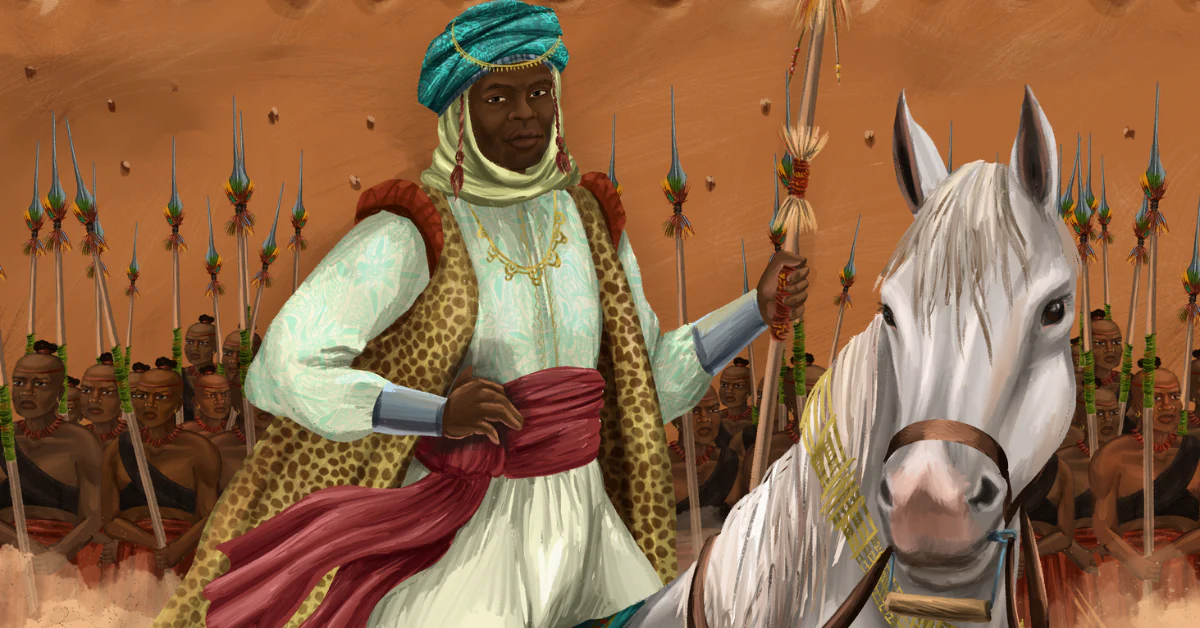
Explore the inspiring stories of Africa's greatest heroes and legendary figures, from powerful kings and warrior queens to brilliant scholars and cultural icons. Discover how their courage, leadership, and enduring legacies shaped civilizations and continue to inspire Africa and the world today.
Africa’s history is filled with extraordinary individuals whose courage, wisdom, leadership, and resilience transformed kingdoms, defended civilizations, inspired generations, and left legacies that continue to influence the continent today. These heroes and legends are remembered not only because they ruled powerful nations or won great battles but because they embodied the values of justice, unity, sacrifice, innovation, and determination. While some are well documented through written records and archaeological discoveries, others live on through oral traditions, songs, folklore, and community storytelling. Together, they represent the soul of Africa’s rich historical heritage.
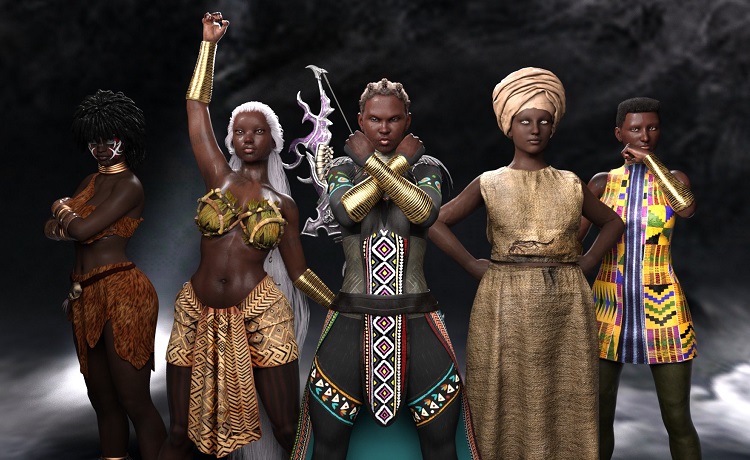
Long before colonial rule, Africa was home to sophisticated kingdoms and empires led by visionary rulers. These leaders built prosperous societies, established international trade networks, encouraged education, promoted justice, and protected their people from external threats. Their achievements demonstrate that Africa possessed advanced political institutions, economic systems, and cultural traditions that contributed significantly to world civilization.
Among the greatest African heroes is Sundiata Keita, the founder of the Mali Empire during the thirteenth century. According to historical traditions preserved by Mandinka griots and supported by medieval chronicles, Sundiata overcame childhood disability, exile, and political persecution before defeating the powerful Sosso king, Sumanguru Kanté, at the Battle of Kirina around 1235. His victory united numerous Mandé kingdoms and gave birth to one of Africa’s greatest empires. Under his leadership, Mali became a center of trade, agriculture, governance, and cultural development. His remarkable life is immortalized in the famous Epic of Sundiata, one of the world’s greatest oral literary traditions.
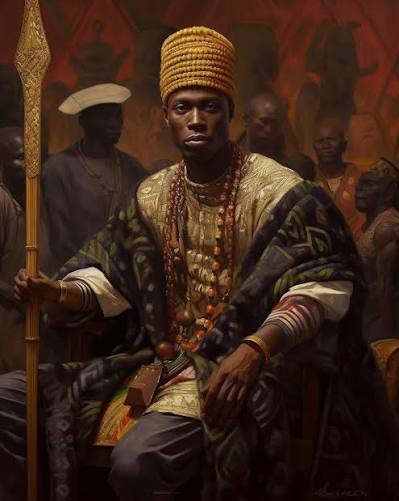
Another legendary African ruler is Mansa Musa, often regarded as the wealthiest individual in recorded history. As emperor of Mali during the fourteenth century, he expanded his empire’s influence through trade in gold and salt while investing heavily in education, architecture, and religion. His famous pilgrimage to Mecca in 1324 attracted international attention because of his immense generosity and wealth. During his reign, Timbuktu flourished as a global center of Islamic scholarship, attracting students and scholars from across Africa, the Middle East, and Europe. His investments in learning helped establish libraries, universities, and manuscript collections that continue to fascinate historians today.
In present-day Nigeria, Queen Amina of Zazzau remains one of Africa’s most celebrated female military leaders. Ruling during the sixteenth century, she expanded the Hausa Kingdom of Zazzau through carefully planned military campaigns while strengthening commercial networks across West Africa. Queen Amina personally led her armies into battle, earning widespread respect for her courage and strategic brilliance. The defensive fortifications known as “Amina’s Walls,” which protected many Hausa settlements, became lasting symbols of her leadership and military innovation. Her legacy continues to inspire women across Africa to pursue leadership with confidence and determination.
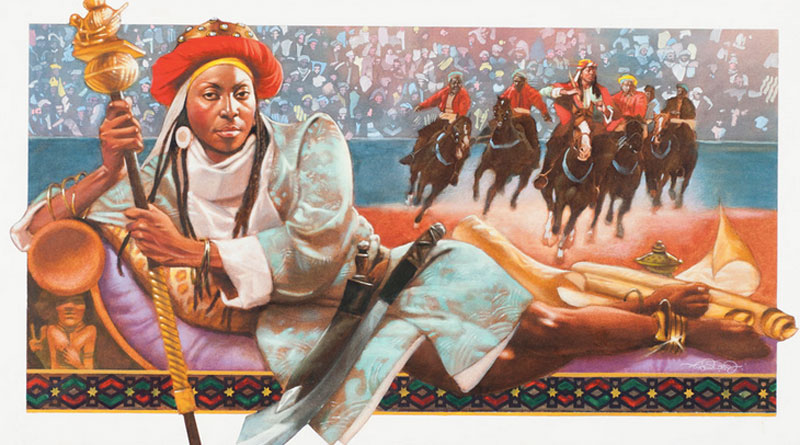
Southern Africa produced one of history’s most influential military reformers in Shaka Zulu. During the early nineteenth century, Shaka transformed the relatively small Zulu clan into one of the region’s most powerful kingdoms. He introduced innovative military tactics, rigorous training methods, disciplined organization, and new battlefield formations that revolutionized warfare in Southern Africa. Although historians continue to debate aspects of his leadership, his influence on African military history remains profound. His vision created a powerful kingdom that shaped regional politics for decades.
One of Africa’s greatest symbols of resistance is Queen Nzinga Mbande of Ndongo and Matamba in present-day Angola. During the seventeenth century, she fiercely opposed Portuguese colonial expansion through diplomacy, military alliances, and strategic leadership. Queen Nzinga negotiated with European powers while also leading armies to defend her people against foreign domination. Her remarkable ability to balance diplomacy and warfare allowed her kingdom to maintain its independence for many years. Today she is celebrated as a symbol of resistance, political intelligence, and national pride.
Africa’s history also celebrates heroes who fought against colonial oppression during the nineteenth and twentieth centuries. Samori Touré, founder of the Wassoulou Empire, resisted French colonial forces in West Africa for nearly two decades. Despite facing a technologically superior enemy, he reorganized his military, developed local arms production, and used strategic mobility to prolong resistance. Although eventually captured, his determination became a powerful symbol of African resistance to colonial conquest.
Similarly, Menelik II of Ethiopia secured one of Africa’s greatest military victories at the Battle of Adwa in 1896. By uniting Ethiopia’s diverse regions and modernizing his army, Menelik successfully defeated invading Italian forces, making Ethiopia one of the few African nations to preserve its sovereignty during the Scramble for Africa. The victory at Adwa became an enduring symbol of African independence and inspired anti-colonial movements across the continent and throughout the African diaspora.
Africa’s heroes are not limited to kings, queens, and military commanders. The continent’s rich oral traditions have preserved legendary figures whose stories teach important moral lessons and reflect the values of their communities. Among the Akan people of Ghana, Anansi the Spider is perhaps the most famous folklore character. Clever rather than physically strong, Anansi uses intelligence, wit, and creativity to overcome challenges and outsmart more powerful opponents. His stories have been shared for centuries throughout West Africa and later spread across the Caribbean and the Americas through the transatlantic slave trade, becoming one of Africa’s most influential cultural exports.
Among the Hausa people, the legendary Bayajidda occupies a central place in traditional history. According to oral tradition, Bayajidda arrived in Daura and rescued the community by killing a giant serpent that prevented residents from drawing water from the town’s well. As a reward, he married the local queen and became the ancestor of the rulers of the seven original Hausa states. Although historians debate the historical accuracy of this account, the story remains deeply significant in Hausa cultural identity and demonstrates how legends preserve a people’s understanding of their origins.
Africa’s heroes also include scholars, spiritual leaders, inventors, artists, and community builders whose contributions transformed society through knowledge rather than warfare. Scholars such as Ahmed Baba of Timbuktu helped establish West Africa as one of the world’s great centers of learning during the sixteenth century. His extensive writings on law, philosophy, education, and theology continue to be studied today, proving that African intellectual history is as rich as its political history.
The importance of African heroes extends beyond the past. Their stories continue to inspire young Africans to embrace courage, integrity, perseverance, and service. They remind us that true leadership is measured not only by military victories or political power but also by the ability to uplift communities, preserve culture, promote justice, and create opportunities for future generations.
Modern historical research, archaeology, ancient manuscripts, and oral traditions continue to uncover new information about these remarkable individuals. Institutions, museums, universities, and historians across Africa are working to preserve this heritage so that future generations can appreciate the continent’s extraordinary past. As more historical records become digitized and accessible, Africa’s heroes are receiving the global recognition they have long deserved.
African heroes and legends represent far more than historical figures. They embody the resilience, creativity, wisdom, and determination that have defined African civilizations for thousands of years. Their lives remind us that Africa has always been a continent of innovators, leaders, thinkers, and visionaries whose achievements helped shape not only African history but the history of humanity itself. Their stories deserve to be remembered, celebrated, and passed on so that future generations can continue drawing strength and inspiration from Africa’s remarkable legacy.