Physical Address
Block 308 DBM Plaza, Wuse Zone 1, Abuja, Nigeria
+2347062940253
Physical Address
Block 308 DBM Plaza, Wuse Zone 1, Abuja, Nigeria
+2347062940253

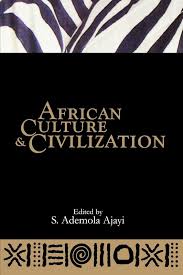
African culture and civilization history is rich and diverse, stretching from the origin of humanity to powerful ancient empires, complex pre-colonial societies, the impacts of the slave trade and colonialism, and the dynamic modern era. The continent is the cradle of humankind and home to some of the world’s oldest and most influential civilizations.
Ancient Origins and Early Civilizations
Africa is where anatomically modern humans evolved hundreds of thousands of years ago, and early Africans were pioneers in tool-making, fishing, mining, and agriculture. The earliest complex societies and kingdoms emerged along the Nile River and in other fertile regions.
Major ancient civilizations include:
Pre-Colonial Kingdoms and Cultural Exchange
Beyond these early civilizations, numerous other kingdoms and societies developed across the continent, characterized by the widespread use of iron tools, complex social structures, and vast trade networks.
The Impact of External Forces
From the 15th century onward, European and Arab involvement had a major impact, including the devastating trans-Atlantic slave trade, which profoundly shaped global history. The late 19th and early 20th centuries saw the rapid European colonization of almost the entire continent, which imposed foreign languages, religions, and governance systems, often disregarding existing traditional social structures.
Contemporary Culture and Resilience
Despite historical disruptions, African cultures have shown remarkable resilience, adapting and evolving while maintaining strong connections to ancestral traditions. Today, African culture is a vibrant, multifaceted mosaic encompassing over 3,000 distinct ethnic groups, each with unique languages, art forms, music, and oral traditions.
Oral traditions remain a crucial means of transmitting history, beliefs, and practices across generations, ensuring the preservation of cultural knowledge. Modern African societies continue to blend heritage and innovation, engaging with global influences while working toward economic growth and self-determination through bodies like the African Union.