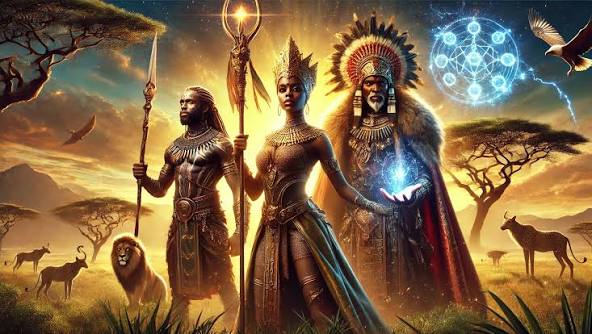
African heroes and legends span real figures like freedom fighters (Mandela, Nkrumah, Nzinga) and mythical tricksters (Anansi), showcasing bravery, wisdom, and resistance against oppression, from ancient rulers like Mansa Musa and warriors like Shaka Zulu to modern icons, all embodying courage, leadership, and cultural significance.
Historical Heroes (Resistance & Leadership)
- Nelson Mandela (South Africa): Anti-apartheid revolutionary, statesman, and philanthropist, symbolizing freedom.
- Queen Nzinga (Angola): Resisted Portuguese colonization with diplomacy and warfare, ruling two kingdoms.
- Kwame Nkrumah (Ghana): A key figure in Pan-Africanism and Ghana’s independence.
- Shaka Zulu (Southern Africa): Zulu chief who built a powerful empire through military innovation.
- Thomas Sankara (Burkina Faso): Revolutionary leader known for anti-imperialist policies and social programs.
- Yaa Asantewaa (Ghana): Queen Mother who led the Ashanti rebellion against the British.
- Samori Ture (West Africa): Founder of the Wassoulou Empire, resisted French colonialism.
Legendary Figures (Folklore & Myth)
- Anansi (West Africa): A clever spider trickster god, embodying wisdom and storytelling.
- Mantis (Bushman): A creator figure in San mythology, bringing life and order from chaos.
- Mansa Musa (Mali Empire): Known as one of the wealthiest people ever, his pilgrimage showcased Mali’s riches.
Cultural & Scientific Icons
- Imhotep (Ancient Egypt): Architect, physician, and polymath, considered a father of medicine.
- Wangarĩ Maathai (Kenya): Environmental activist, Nobel laureate, and founder of the Green Belt Movement.
Africa’s history and oral traditions are populated by a diverse array of heroes and legends, ranging from powerful historical monarchs and anti-colonial revolutionaries to mythological figures and clever animal tricksters.
Historical Heroes and Rulers
These figures are celebrated for their leadership, military prowess, and resistance against foreign expansion.
- Mansa Musa (Mali Empire): Often cited as the richest person in history, he turned Timbuktu into a global center for learning and dazzled the world with his gold-laden pilgrimage to Mecca.
- Shaka Zulu (Zulu Kingdom): A military genius who transformed the Zulu nation into a dominant power in Southern Africa through innovative battlefield tactics and weapon redesigns.
- Queen Amina of Zazzau (Nigeria): A 16th-century Hausa warrior queen who personally led her armies into battle, expanding her kingdom and building the famous “Amina’s Walls” for defense.
- Queen Nzinga (Angola): A brilliant diplomat and strategist who resisted Portuguese colonization for decades, famously once using a human chair to ensure she sat at equal eye level with her European counterparts.
- Yaa Asantewaa (Ghana): The Queen Mother of Ejisu who led the Ashanti rebellion against British colonial forces in the 1900 “War of the Golden Stool”.
Modern Legends and Revolutionaries
In the 20th and 21st centuries, “heroes” are often defined by their struggle for independence and human rights.
- Nelson Mandela (South Africa): An international icon of peace and reconciliation who spent 27 years in prison before becoming South Africa’s first Black president and dismantling apartheid.
- Thomas Sankara (Burkina Faso): Known as “Africa’s Che Guevara,” he promoted self-sufficiency, gender equality, and literacy before his assassination in 1987.
- Kwame Nkrumah (Ghana): A founding father of Pan-Africanism and the first leader of independent Ghana, who envisioned a United States of Africa.
- Patrice Lumumba (Congo): A martyr for African nationalism, he was the first democratically elected leader of the Congo before being assassinated during a coup supported by foreign powers.
Mythological Figures and Folklore
Legends in African culture also include deities and tricksters that serve as moral guides or origin stories.
- Anansi the Spider: A clever trickster from Akan (Ghanaian) folklore who often uses his wit to outsmart larger animals or even the gods.
- Sango (Yoruba Mythology): The god of thunder and lightning, often depicted with a double-headed axe, symbolizing swift justice and power.
- Mantis (San Mythology): A creator figure and hero for the Bushmen, credited with giving humans fire and words.
- The Queen of Sheba (Makeda): A legendary queen whose visit to King Solomon is a cornerstone of Ethiopian identity, founding the Solomonic dynasty.
Comprehensive Historical & Biographical Databases
Dictionary of African Christian Biography (DACB): A specialized resource from Boston University documenting influential historical figures across Ethiopia, Nigeria, and beyond.
BlackPast.org: The world’s largest online encyclopedia dedicated to Global African history. It provides peer-reviewed entries on figures like Patrice Lumumba, Queen Nzinga, and Thomas Sankara.
Oxford Reference – Dictionary of African Mythology: A vast scholarly collection covering gods, goddesses, and epic heroes from every region of the continent.
African Peace Foundation: Features 2025 updates on revolutionary leaders who shaped modern independence movements.