Physical Address
Block 308 DBM Plaza, Wuse Zone 1, Abuja, Nigeria
+2347062940253
Physical Address
Block 308 DBM Plaza, Wuse Zone 1, Abuja, Nigeria
+2347062940253

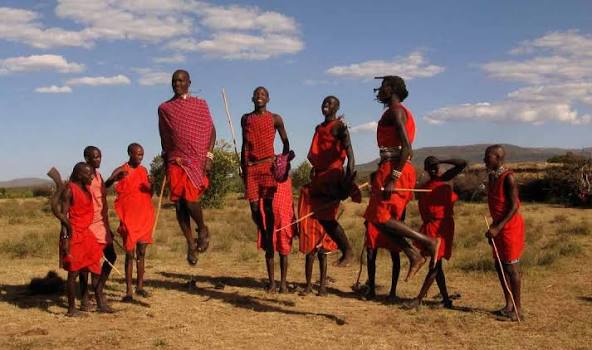
Africa hosts thousands of distinct ethnic groups (tribes) with rich cultures, often linked by common languages, histories, and ancestral lands, organized around kinship structures like lineages, which form fundamental social units for mutual support, with examples including the pastoral Maasai (Kenya/Tanzania), the Yoruba (Nigeria/Benin), and the historic Zulu (South Africa), all sharing complex traditions and varied societal structures.
Major Ethnolinguistic Families & Groups
Africa’s immense diversity is categorized into major language families, including:
Key Examples of Tribes & Lineages
Role of Lineages in Society
Cultural Diversity
In essence, Africa’s tribal landscape is a tapestry of thousands of interconnected groups, each with unique traditions, languages, and deep ancestral roots, organized often through strong family lineages.
African societies are traditionally structured around lineage groups, which serve as the fundamental building blocks of social and political life. These groups consist of members who claim descent from a common ancestor, whether real or legendary.
Core Concepts of African Lineage
Notable African Tribes & Lineages
Africa is home to thousands of diverse ethnic groups, each with unique traditions and lineage histories:
Akan (Ghana & Ivory Coast): Known for forming centralized states and include famous subgroups like the Asante and Fante.
Zulu (South Africa & Eswatini): Descendants of the Nguni-speaking Bantu group, the Zulu are known for their “Ubuntu” philosophy—the belief in a universal bond of sharing that connects all humanity.
Maasai (Kenya & Tanzania): A semi-nomadic Nilotic ethnic group recognizable by their bright red “shuka” clothing and intricate beadwork.
San (Southern Africa): Often referred to as “Bushmen,” they are among the oldest known human groups, famous for ancient rock paintings and unique click-based languages.
Himba (Namibia & Angola): Closely related to the Herero, Himba women are famous for applying otjize—a paste of red ochre, butterfat, and resin—to their skin and hair for protection and beauty.
Hadza (Tanzania): One of the world’s last hunter-gatherer communities, scientists believe they are direct descendants of the earliest humans in the East African “cradle of mankind”.
Yoruba (Nigeria & Benin): A large ethnic group with complex cosmology; they believe their creator god sent his son, Oduduwa, to Earth to create the first humans.
National Archives: African Ancestors Overview: A guide for tracing lineages and ancestral lands using historical records and treaties.
African Budget Safaris: Famous African Tribes: Offers a guide to experiencing the cultures of the Maasai, Hadza, and Samburu, including their current populations and traditional lifestyles.