Physical Address
Block 308 DBM Plaza, Wuse Zone 1, Abuja, Nigeria
+2347062940253
Physical Address
Block 308 DBM Plaza, Wuse Zone 1, Abuja, Nigeria
+2347062940253

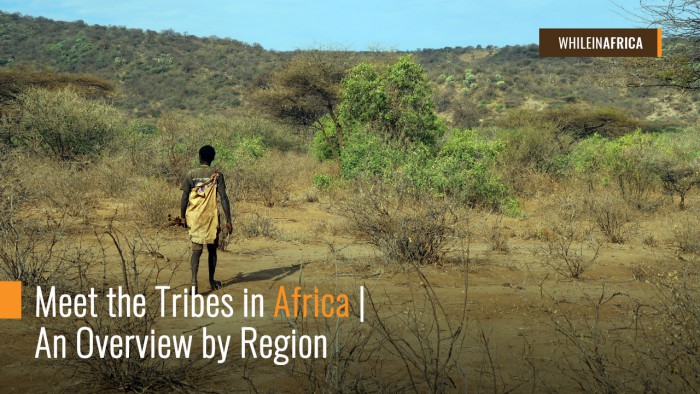
Africa is known as a tribal continent even though it is not always the determining factor in a nation’s life. Colonial powers took little notice of tribes when they drew their national boundary lines. The result is that several tribes overlap into two or even three modern-day countries. In countries like Egypt, the population is described as Egyptian or Arab without reference to origins. The subject of tribes and ethnicity in Africa is one of fascination. Over the years, adventure films have often portrayed tribes as living as their ancestors did generations before. It makes for a good story and in many instances, it does still apply today. In others, it most certainly does not as the culture has changed or evolved.
With around 3,000 tribes and 2,000 languages and dialects, Africa is a continent with fascination around every corner.
Other continents of the world lack Africa’s natural diversity. Some are well-developed, largely industrialized and the tribe has never been a factor. ‘’Community’’, yes but social status rather than origin has been the important factor.
It is important to understand the difference between ethnicity and tribe. A Tribe is an organization of people who share the same culture and language. History can point to the success of a tribal organization as a means of living, if not particularly a means of creating wealth and well-being. In the days when African life was largely rural, few members moved away from their tribal areas. The growth of conurbations began to change that to a limited extent as people sought work rather than living a subsistence lifestyle. Ethnicity is a broader term. An ethnic group can include several tribes; the Ashanti, Aykems and Bonus are all tribes within Ghana in West Africa yet in ethnic terms, they are all Akans.
It was the colonial powers who introduced the idea of nationalism into Africa, but it is not something that everyone has embraced; tribal differences have created conflict even within recent decades although the conflict has been between tribes with the same nationality. The Biafran War in Nigeria half a century ago devastated large parts of Eastern Nigeria as the Igbo unsuccessfully sought independence. Rwanda is a more recent case in point with the Tutsi subject to genocide by the majority Hutu in the last decade of the 20th Century. Contrast Rwanda with Ghana where tribal and ethnic pride exist but so does national pride. This Western African State adheres to democracy despite its tribal diversity.
Africa is a vast continent which can be broadly divided into regions although climate and vegetation are both factors in deciding which countries and hence their people belong in which region. Here are some tribes to give you a general idea of their history, and lifestyle.
While some would say that North Africa is merely made up of the countries bordering the Mediterranean, there is a strong case for including the relatively dry countries on the southern border of the Sahara as belonging to the North.
Not surprisingly for such a huge region, there is significant diversity of peoples and although there are cities on the Mediterranean, life has been largely nomadic for many of the tribes within the Sahara and the Sahel.
A brief look at just three tribes described for the purposes of this article will illustrate differences and similarities that exist:
The Tuareg are a large tribe of Berber ethnicity occupying huge areas of the Sahara Desert. As nomadic pastoralists, they travel to seek food and water. As a result, they are found in the Mediterranean countries such as Libya and Algeria as well as countries in the region known as the Sahel, on the Sahara’s southern boundary, such as Niger.

The Bedouin are also nomads of Arabic origin who live in the North East of Africa but have also spread across Iraq and the Arabian Peninsula. The name comes from the Arabic word ‘’ badawi’’ meaning desert dweller. Largely Muslim naturally, they tend goats and camels.
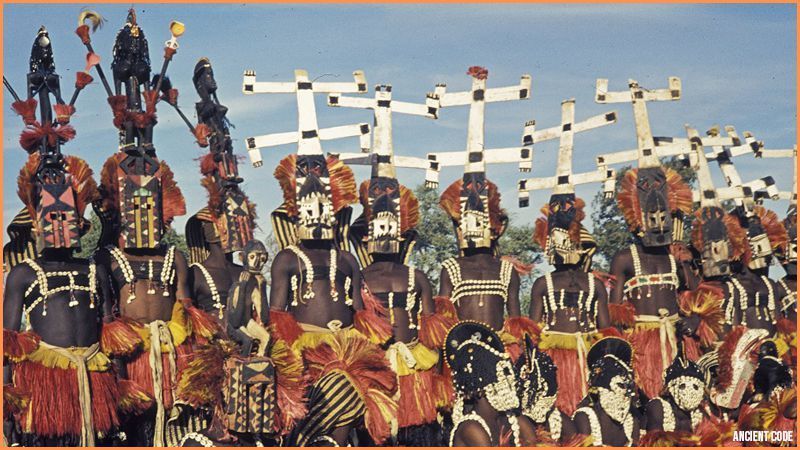
The Dogon are a branch of the Niger-Congo language group, a tribe of anything between 400,000 and 800,000. They live in villages in good defensive locations on the Central Plateau of Mali and into Burkina Faso. It is thought that they originally headed from the north to avoid Islamisation and their lives revolve around their traditional religion though some are now Muslims and others, Christians. Famous for their art and their astronomical knowledge. The Dogon survive by growing crops and keeping livestock.